



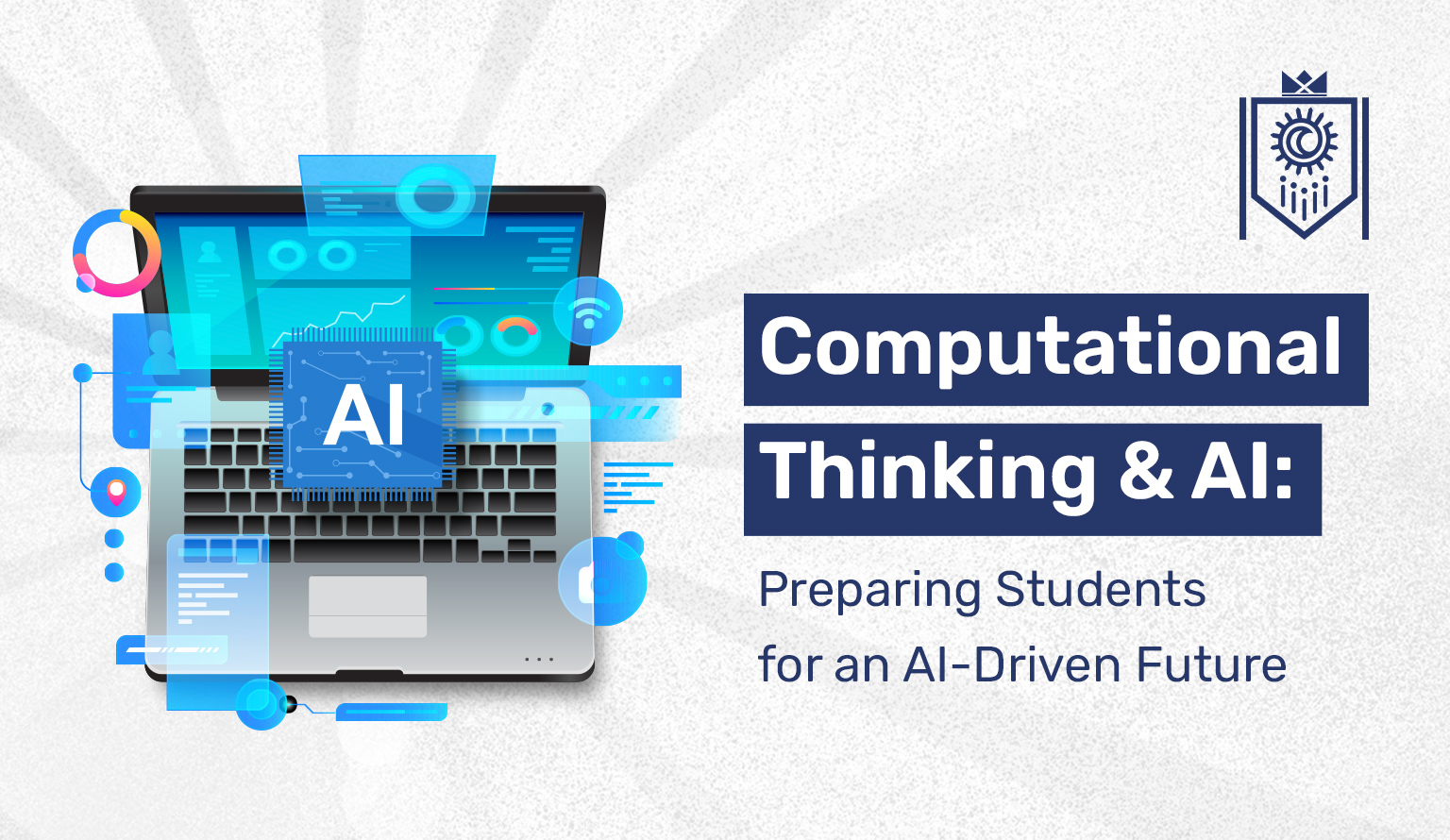
Artificial Intelligence (AI) is already a part of our daily lives. From YouTube recommendations and voice assistants to navigation apps and face unlock features, children interact with AI more often than they realize.
Recognising this growing influence of AI, CBSE introduced the Computational Thinking & AI curriculum for Classes 3–8 in April 2026. The goal is simple: help children become smart problem-solvers and confident users of technology. The curriculum focuses on developing competencies that students can apply in real-life situations rather than memorising information for examinations.
As many parents search for the best CBSE schools in Pune, this new curriculum has become an important indicator of whether a school is truly preparing students for the future.
So What Is Computational Thinking?
Computational Thinking (CT) is a structured approach to solving problems by breaking them into smaller, manageable steps. It teaches children how to think logically, identify patterns, and find effective solutions.
The four pillars of Computational Thinking are:

Students learn these skills by questioning, investigating, analysing, experimenting, and discovering solutions independently. This inquiry-driven approach helps them become active learners rather than passive recipients of information.
What is AI in This Context?
Artificial Intelligence refers to systems that can recognize patterns, make decisions, and learn from data.
While that may sound complex, children already encounter AI in everyday life when YouTube recommends videos, Google Maps suggests routes, or a voice assistant answers a question.
The curriculum helps students understand the technology behind these experiences rather than simply using them.
In the CBSE curriculum, students learn about:
- Computer Vision (how AI "sees", such as face unlock technology)
- Natural Language Processing (how AI understands and responds to speech, such as Siri or Alexa)
- Data Science (how AI identifies patterns and insights from large sets of data)
CBSE explains that while AI is essential, Computational Thinking should be the broader capability covering problem decomposition, algorithms, and digital fluency without locking schools to one platform.
What Students Will Learn
The CBSE curriculum introduces Computational Thinking gradually, ensuring concepts are age-appropriate and practical.
For younger students (Classes 3–5), learning happens through:
- Logic puzzles
- Pattern recognition games
- Problem-solving activities
- Hands-on, screen-free exercises
For older students (Classes 6–8), learning expands to:
- Real-life AI applications
- Data and decision-making
- AI tools and projects
- Discussions about responsible technology use
- Digital citizenship and cyber safety
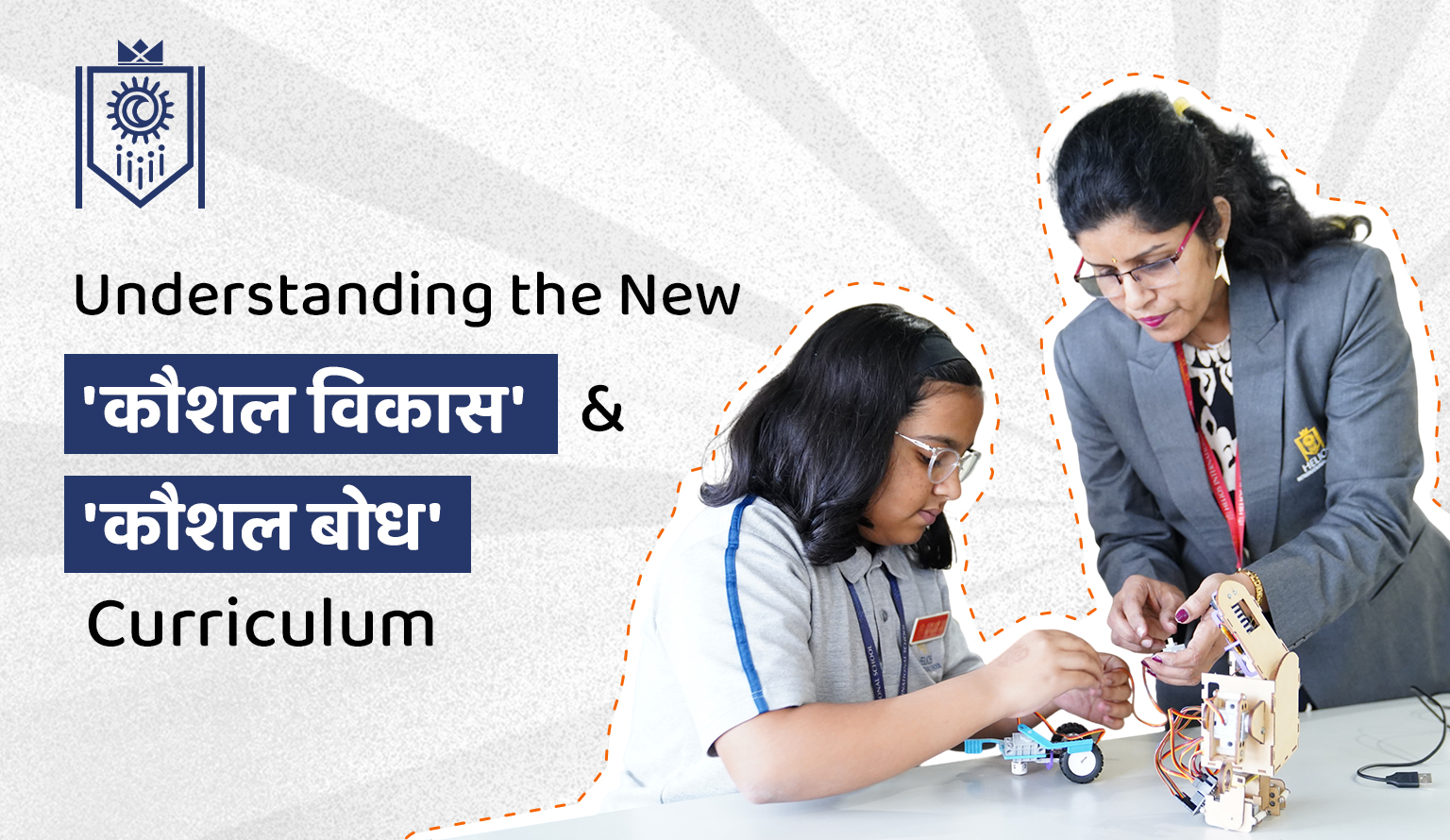
The curriculum follows a hands-on, competency-based approach that encourages exploration, creativity, and application rather than rote memorisation.
Importantly, the learning experiences are designed to be inclusive and accessible, enabling students with diverse learning styles and abilities to participate meaningfully and develop confidence in problem-solving.
Why Screen-Free Learning Comes First
One of the most innovative aspects of the curriculum is its focus on "unplugged learning."
Before students interact with computers, they learn how to think computationally through activities such as:
- Logic puzzles
- Pattern hunts
- Sequencing games
- Problem-solving challenges
- Step-by-step instruction activities
This approach ensures children build strong thinking skills before engaging with technology.
For parents evaluating good CBSE schools in Pune, this balance between foundational thinking and digital learning is becoming increasingly important.
Computational Thinking Across Subjects
Computational Thinking is not limited to coding or technology classes. Students use these skills across subjects:
- Mathematics: Finding patterns, analysing data, and solving problems logically
- Science: Investigating questions, testing hypotheses, and interpreting results
- Languages: Organising ideas, sequencing information, and strengthening communication
- Social Science: Understanding trends, relationships, and real-world challenges
- Arts: Encouraging creativity, design thinking, visual problem-solving, and innovation
Students also apply Computational Thinking in everyday situations such as planning tasks, making decisions, organising information, and solving practical challenges.
Many CBSE schools in Pune are integrating Computational Thinking across subjects to help students connect classroom learning with real-life experiences. The curriculum itself encourages interdisciplinary learning rather than treating CT and AI as isolated subjects.
Preparing Students for the Future
The purpose of this curriculum is not to make every child a programmer. It is to help students become:
- Critical thinkers
- Creative problem-solvers
- Digitally aware learners
- Responsible technology users
A strong emphasis is placed on the responsible and ethical use of technology. Students learn about fairness in AI systems, privacy, digital citizenship, cyber safety, misinformation, and the importance of using technology responsibly. These conversations help children become thoughtful digital citizens who can navigate an increasingly technology-driven world.
These competencies will remain valuable regardless of the career path they choose.
Looking Ahead
The future will belong to those who can understand technology, question it, and improve it.
Computational Thinking and AI education empower students to become active creators rather than passive consumers of technology. By developing these skills from an early age, schools are preparing children not just for future careers, but for a world where intelligent technologies will shape everyday life.
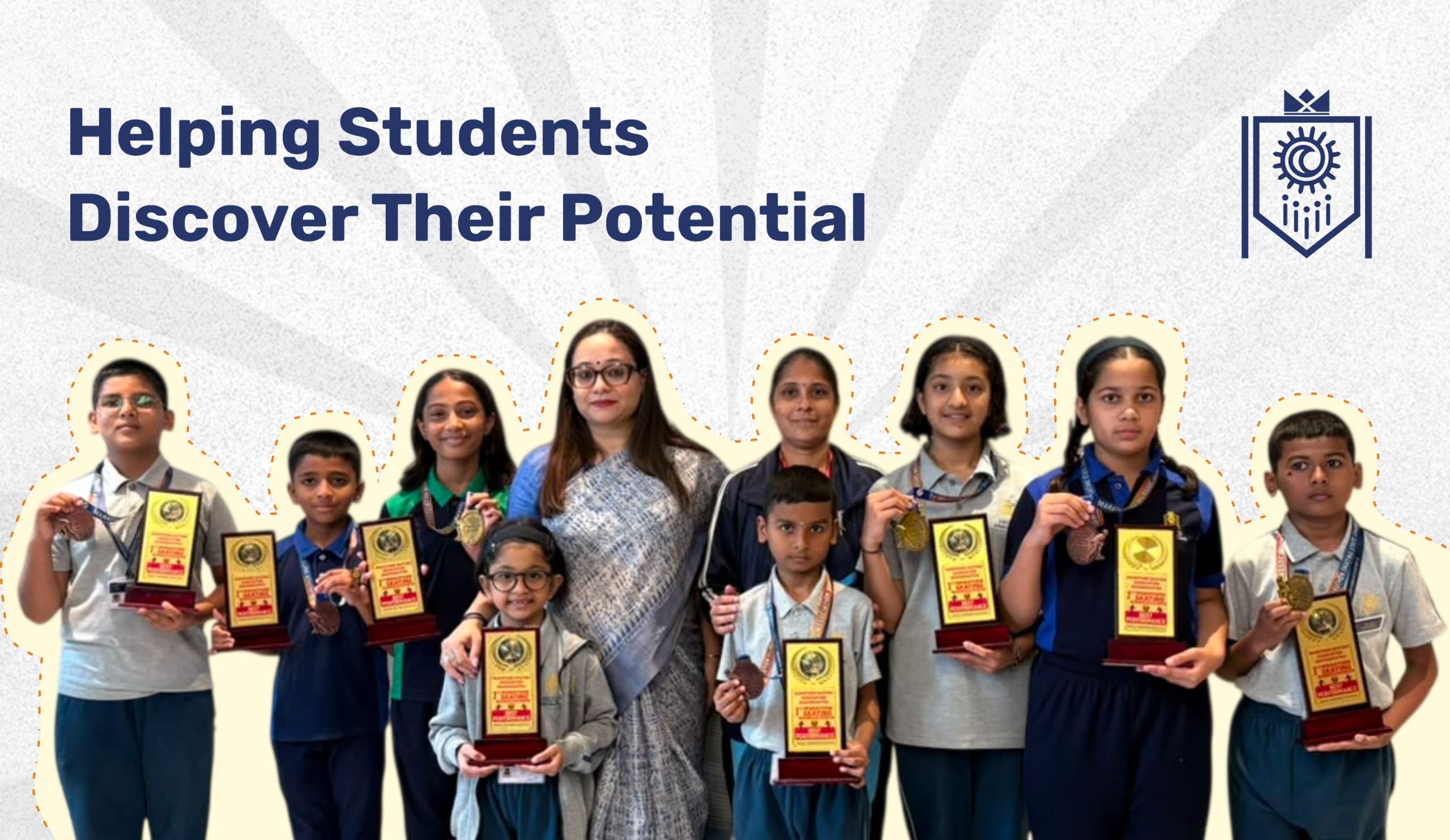
At Helios International School, one of the emerging CBSE schools in Sinhagad Road, Pune, students are encouraged to nurture curiosity, critical thinking, creativity, and innovation through meaningful learning experiences.
.jpeg)