


Summary - This blog highlights the critical role of physical education & sports in providing a holistic learning experience. Aligned with NEP 2020 guidelines, it illustrates how non-academic activities - ranging from chess and taekwondo to football and skating - nurture life skills like resilience, leadership, & emotional regulation. By balancing screen-heavy digital routines with active playground experiences, Helios International School prepares students not just for academic success, but for real-world challenges.
Key Highlights -
- NEP 2020 Alignment: Emphasises integration of sports to nurture cognitive, physical, and emotional growth alongside academics.
- Sport-Specific Life Lessons: Details how distinct activities (e.g., chess for strategy, taekwondo for discipline, skating for resilience) foster specific mindsets.
- Digital Balance: Positions physical sports as an essential offset to screen time, encouraging real-world social interaction and health habits.
- Focus on Personal Growth: Prioritises participation, character development, and lifelong wellness over merely winning medals.
Every year, National Sports Day celebrates India’s sporting spirit and honours the qualities that define great athletes: discipline, resilience, teamwork, determination, and perseverance.
But it also presents an opportunity for parents to ask an important question:
Are sports simply an extracurricular activity, or are they an essential part of a child’s education?
Today, the answer is increasingly clear: sports are an important part of holistic learning.
The National Education Policy (NEP) 2020 recognises sports and physical education as an integral part of education, with a focus on nurturing children’s cognitive, emotional, social, and physical development alongside academics.
For parents exploring the best CBSE schools in Pune, this changing perspective is worth considering. Because some of the most valuable lessons children learn don’t happen at a desk; they happen on the playground.
Did You Know?
The World Health Organisation (WHO) recommends that children and adolescents get at least 60 minutes of moderate-to-vigorous physical activity every day. Regular physical activity can support physical health, mental wellbeing, cognitive function, and academic performance.
The Playground Is a Classroom Too
A mathematics lesson develops analytical thinking. A language class strengthens communication. But the playground gives children an opportunity to put these skills into practice.
Think back to your own school days. You may not remember every chapter from every textbook, but you probably remember the football match that taught you about teamwork, the chess game that tested your patience, or the race that taught you to keep going even when you were falling behind.
Physical activity can support cognitive development, classroom engagement, and overall wellbeing while helping children manage stress, regulate emotions, and cope with pressure. More importantly, sport gives children opportunities to experience concepts such as collaboration, competition, failure, and perseverance firsthand.
Because learning doesn’t stop when the school bell rings.
At Helios International School, Every Sport Teaches Something Different
Every child is different, and every sport offers a different way to discover strengths and develop life skills.
Chess encourages concentration, strategic thinking, patience, and thoughtful decision-making, helping children develop the ability to analyse situations before making a move.
Taekwondo builds discipline, self-control, focus, confidence, and perseverance.
Football, basketball, and cricket nurture teamwork, communication, and leadership while teaching children to make decisions under pressure, take responsibility, and embrace true sportsmanship in both victory and defeat.
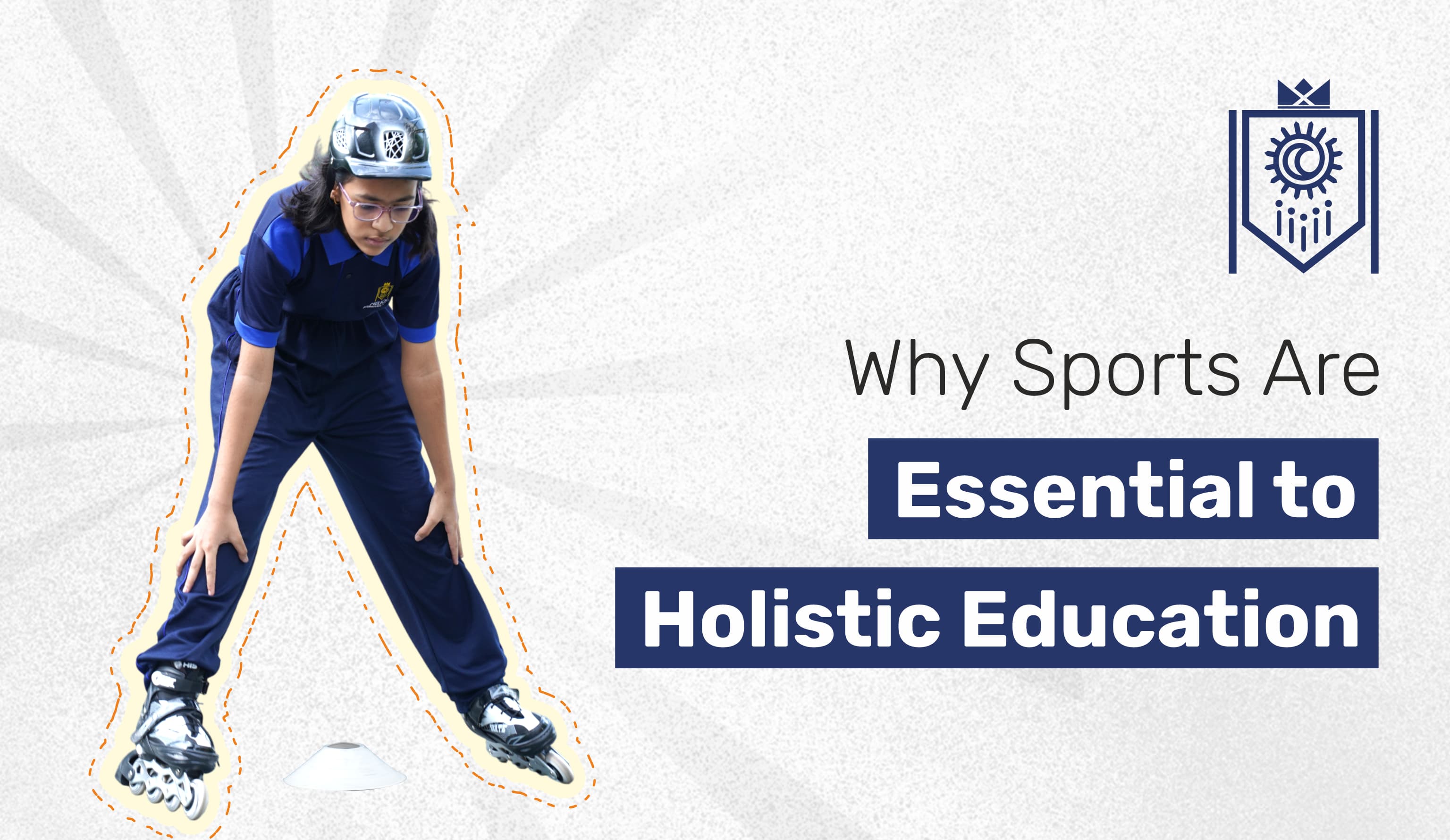
Skating develops balance, coordination, confidence, and resilience while teaching children that falling is not failure; it is an opportunity to learn, improve, and come back stronger.
These are lessons that cannot always be taught through textbooks. They have to be experienced.
The Most Important Lessons May Not Appear on a Report Card
Marks can tell us how well a child has understood a subject. But they cannot always capture their ability to handle setbacks, work with others, lead a team, or believe in themselves.
Sport naturally teaches children to:
- Accept setbacks
- Learn from mistakes
- Keep trying with resilience
Along the way, they develop:
- Confidence
- Emotional resilience
- Teamwork
- Leadership
- Decision-making
- Adaptability
- Discipline
- Sportsmanship
These qualities stay with children long after the match is over and often become just as important as academic knowledge as they grow.
Because education is not only about what children know; it is also about who they become.
Why Sports Matter More Than Ever in a Digital World?
Today's children are growing up in a world where screens are a constant part of everyday life. While technology has transformed learning, it has also reduced opportunities for movement and face-to-face interaction.
Sports offer a healthy balance by encouraging children to stay physically active, communicate in person, solve real-world challenges, and build meaningful friendships. They help create healthy habits that support physical fitness, mental well-being, and social development skills that are increasingly important in today's digital age.
At Helios, Learning Goes Beyond the Classroom
At Helios International School, sports are an integral part of the learning experience rather than simply a break from academics.
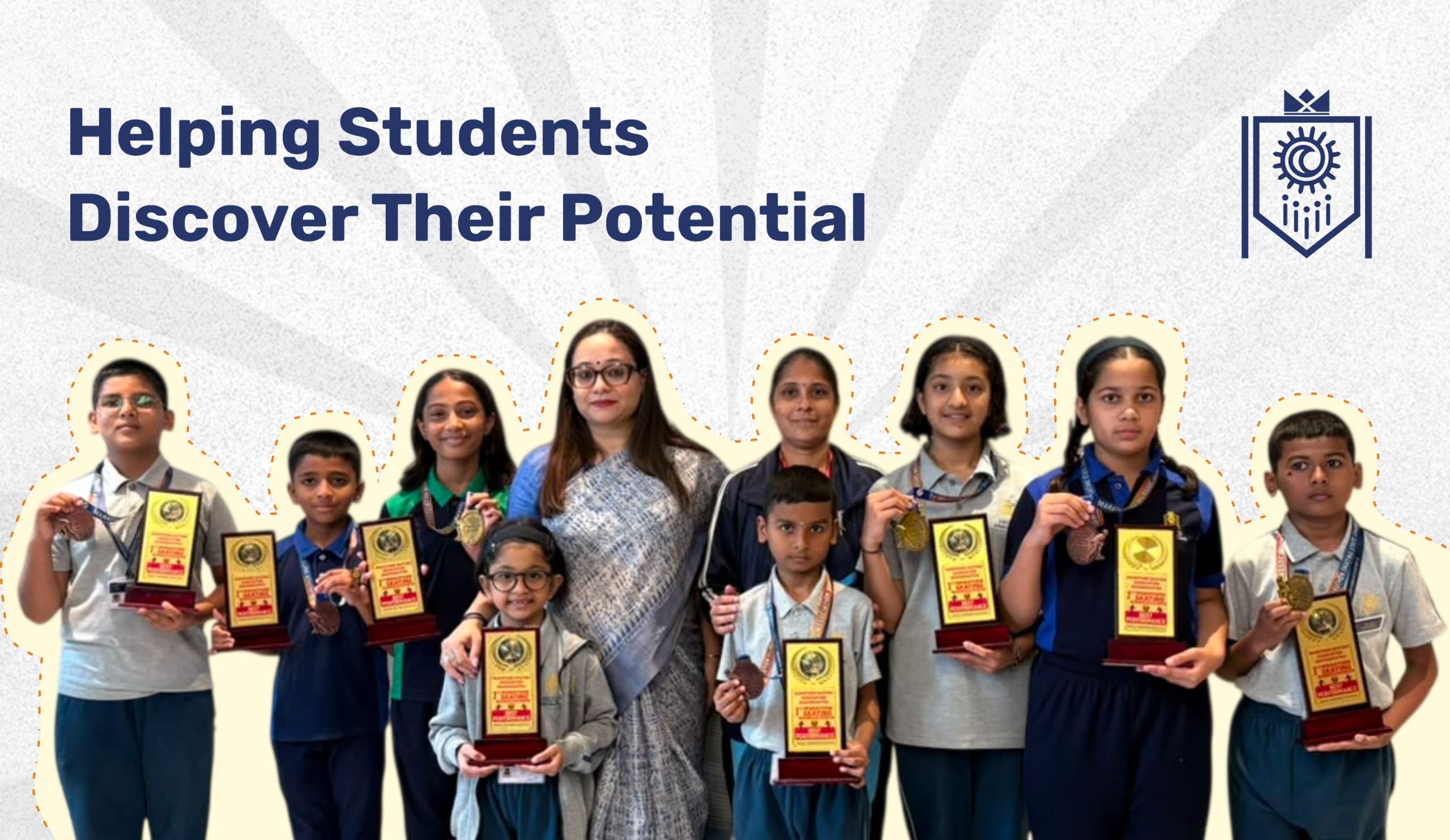
Students are encouraged to explore disciplines such as chess, taekwondo, football, basketball, skating and net cricket, giving them opportunities to discover their interests, build confidence and develop teamwork, discipline and resilience.
More importantly, the emphasis goes beyond winning medals. Success is measured by participation, personal growth, and helping every child develop healthy habits and a lifelong appreciation for physical activity. This balanced approach reflects the belief that academics and sports work best when they grow together.
Preparing Children for More Than Exams
A child’s education should prepare them for more than the next test, the next grade, or the next academic milestone.
It should prepare them for life.
When academics and sports grow together, children gain more than knowledge. They develop the confidence to try, resilience to recover, discipline to continue, and empathy to support others.
That is what holistic education is truly about: helping children become capable, confident, and well-rounded individuals, ready not just for the classroom, but for the world beyond it.
.jpeg)